TerexParts Pro: Four Generations of Iron, Lift Planning and Field Trust

From a regional crane parts counter to a dependable lifting equipment service partner, our work has always been measured by whether the machine is ready when the site superintendent calls the next pick.

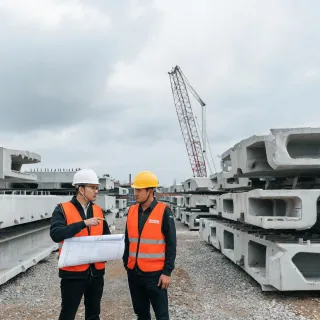
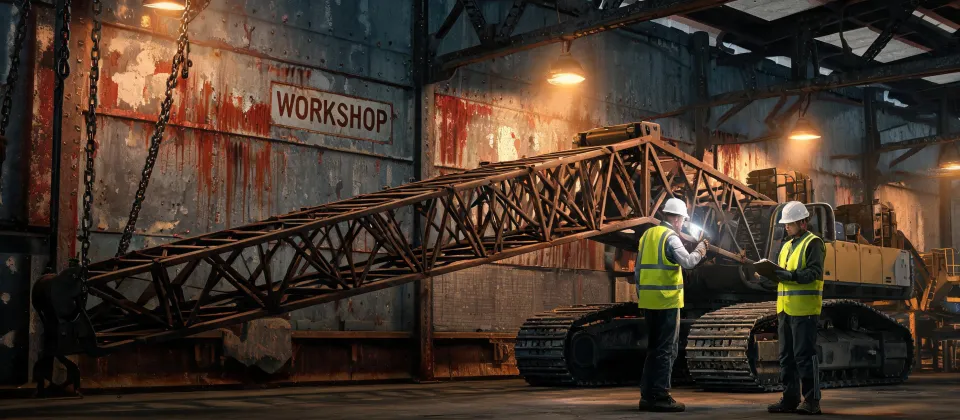
Historic crane factory and modern service team
  1. 1925

    Foundry Discipline Begins

    The early team supplied machined iron components to crawler tractor workshops, learning that fit, metallurgy and traceability decide whether heavy equipment survives hard shifts.

  2. 1948

    First Lattice-Boom Crane Support

    Service records from power-plant turbine lifts shaped our habit of pairing parts with lift context instead of treating a crane as a list of stock numbers.

  3. 1972

    Hydraulic Crane Parts Standardized

    Pin, bushing, seal and hose packages were organized around machine class, service hour and site duty cycle so fitment checks could happen before dispatch.

  4. 1995

    Global Project Coverage Expands

    Bridge, quarry and port customers outside North America pushed us to build documentation routines that travel with the parts crate and the field technician.

  5. 2014

    Tier 4 Final Support Added

    Emissions records, aftertreatment service notes and operator regeneration habits became part of the same uptime conversation as hoist rope and hydraulic pressure.

  6. 2024

    Rebuild-Life and Lower-Diesel Programs Mature

    Our service teams now plan crane component rebuilds, remanufactured assemblies and practical low-idle routines around measurable project uptime and lower diesel use.

Engineering Honesty

TerexParts Pro does not hide behind generic claims. We share what the part fits, what inspection record supports it, what load-chart question remains open and what deadline the field team can reasonably hit. Contractors come back because the answer is usable under project pressure.
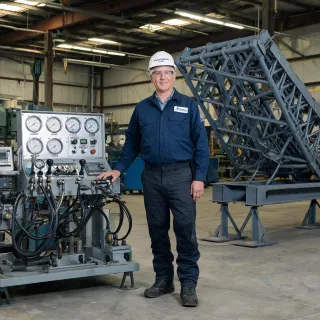

Iron Reliability

Crane owners value calm, repeatable support more than dramatic promises. Our rebuild kits, hoist service, cylinder packages and control spares are organized around 8,000-hour planning, documented torque values and machine histories that survive staff turnover.

Operator Respect

A safe crane is not only a calculation sheet. Cab ergonomics, clear fault explanations, stable hydraulic response, ROPS expectations and aftertreatment habits all affect the person inside the machine. Our service notes are written so operators can use them.

People behind dispatch

Specialists Who Keep the Lift Conversation Practical

Vice president of crane engineering
VP Engineering
Director of field service
Director Field Service
Quarry customer lead
Quarry Customer Lead
Bridge lifting customer lead
Bridge Lift Lead
Parts hub operations manager
Parts Hub Operations
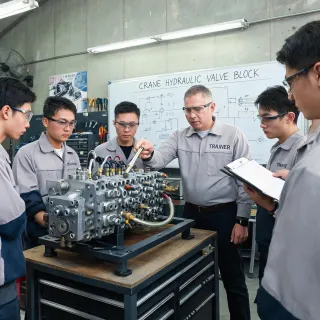
Apprentice service training director
Training Director
ISO 9001ISO 14001CE 2006/42/ECEPA Tier 4 FinalAS 2550ASME B30

Visit the Crane Service Plant by Appointment

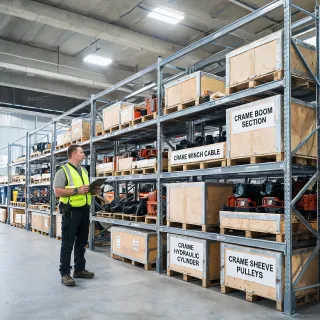
Bring the lift schedule, asset list and recurring failure notes. We will walk through the parts hub, rebuild bay and documentation process your project would actually use.